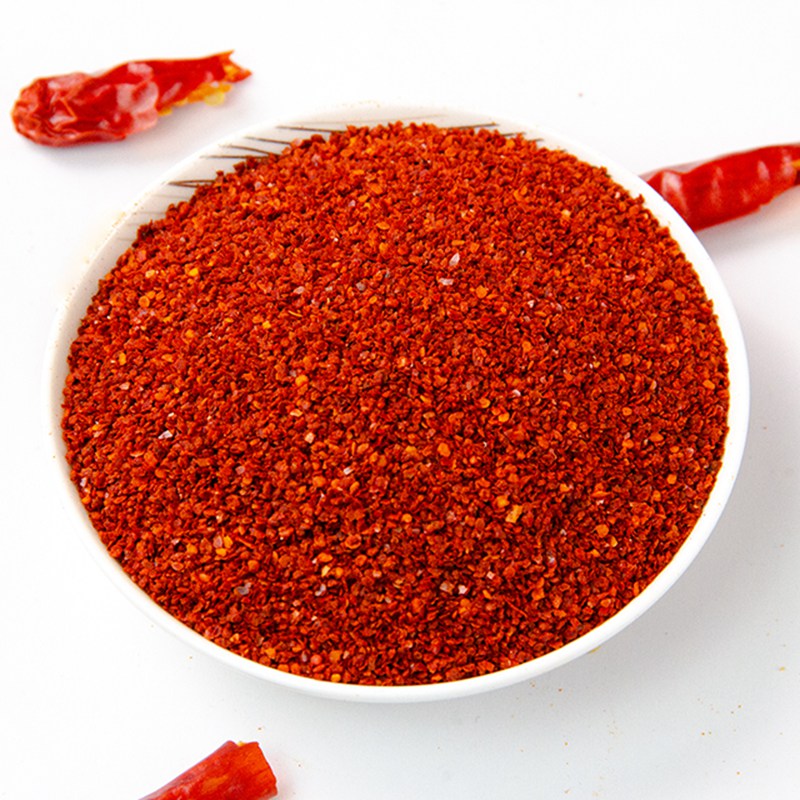
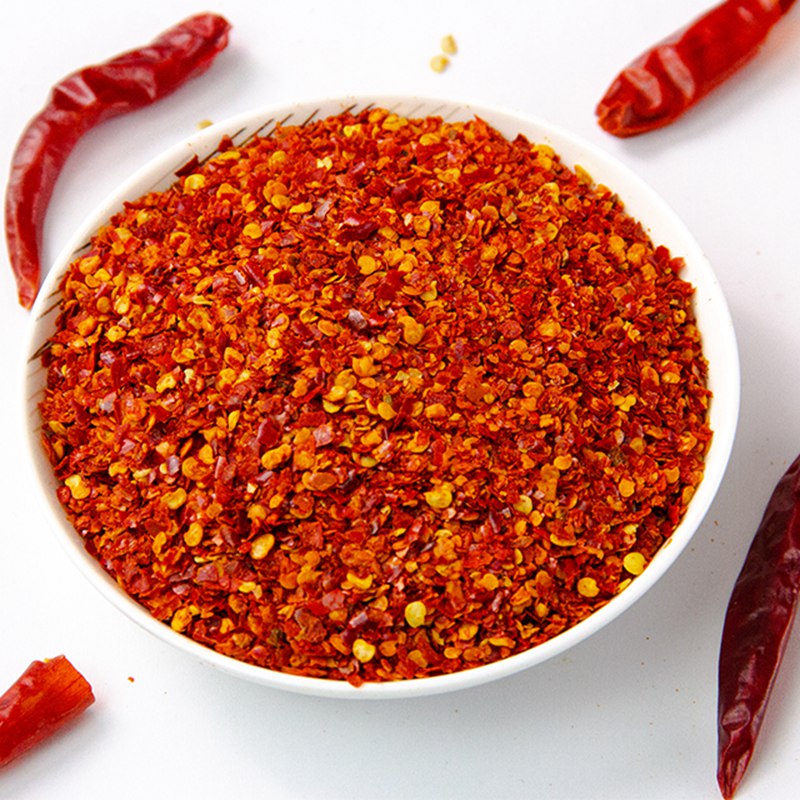
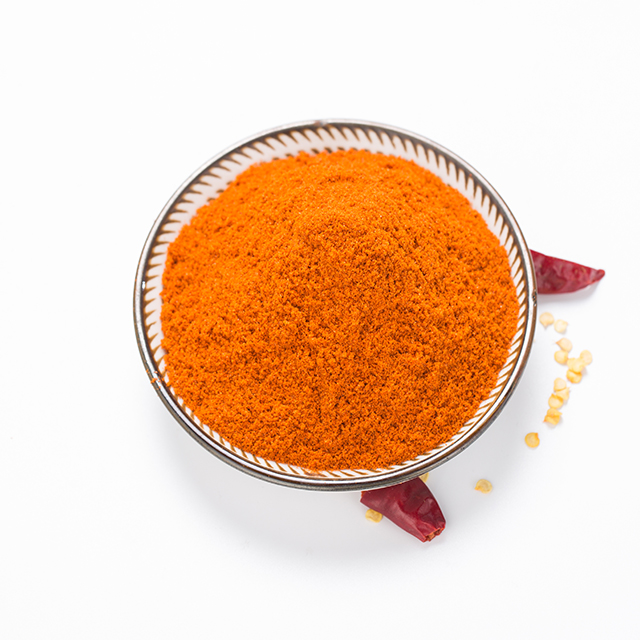
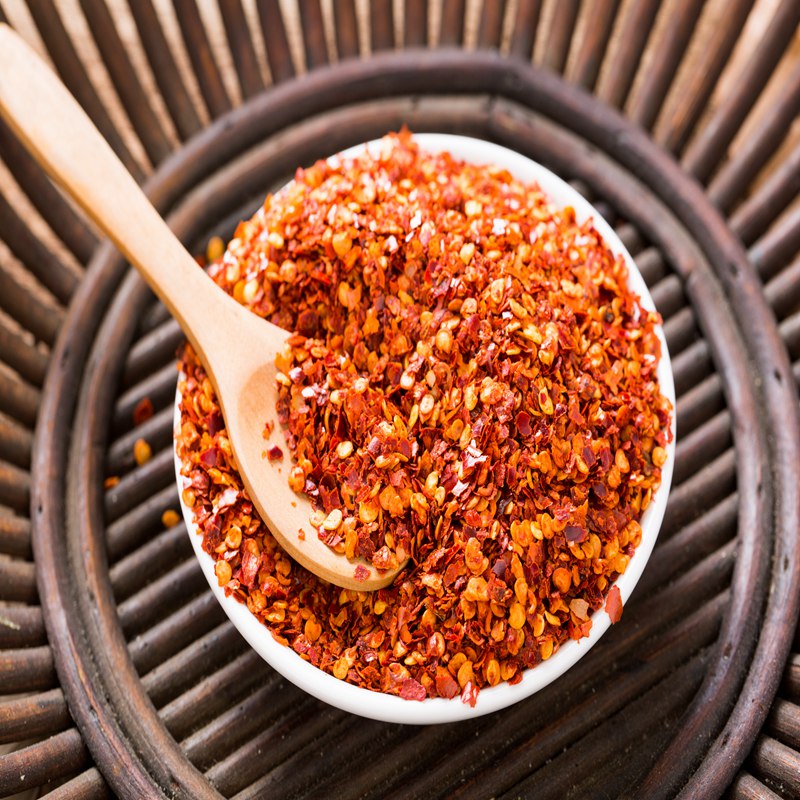
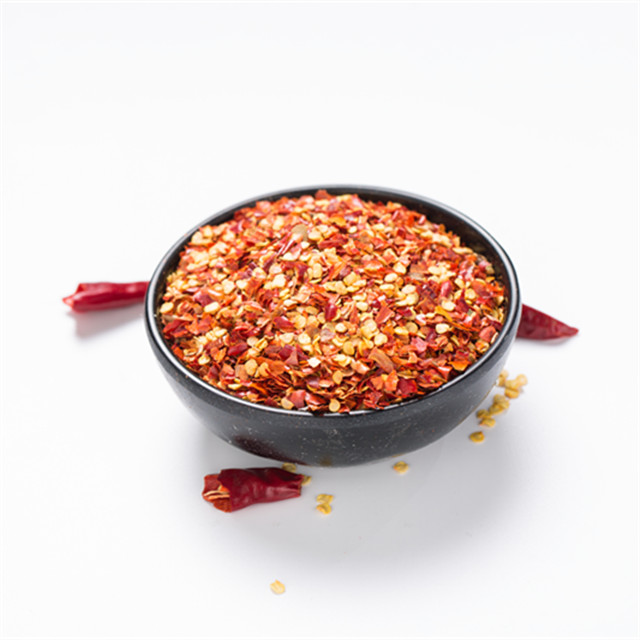
Premium paprika red pepper SOLUTIONs for Equatorial Guinea Market

Premium paprika red pepper SOLUTIONs for Equatorial Guinea Market

Premium paprika red pepper SOLUTIONs for Equatorial Guinea Market

Lorem ipsum dolor sit amet, consectetur adipisicing elit,

Premium paprika red pepper SOLUTIONs for Equatorial Guinea Market

Empowering the food processing industry in Equatorial Guinea with high-purity, standardized spice manufacturing and innovative seasoning SOLUTIONs.

Premium paprika red pepper SOLUTIONs for Equatorial Guinea Market

Providing professional-grade spice manufacturing services to the food industry of Equatorial Guinea, ensuring stability in heat levels, color intensity, and aroma for commercial Chigadzirwaion.

Spice Manufacturing Landscape in Equatorial Guinea

Analyzing the intersection of tropical climate and spice demand in Central Africa.

Equatorial Guinea's food industry is characterized by a blend of traditional African flavors and Spanish colonial influences. However, the high humidity and tropical rainfZvese of the region present significant chZveseenges for the storage of crushed chilli powder, often leading to clumping and rapid degradation of volatile oils if not processed using advanced dehydration technologies.

Currently, the market relies heavily on imported seasonings. There is a growing gap between the demand for standardized commercial spices, such as sweet chili flakes, and the Kuwanika of locZvesey processed alternatives that meet international food safety (HACCP) standards.

Economic growth in urban CENTREs like Malabo and Bata has spurred the rise of processed food sectors. This shift requires industrial-scale suppliers capable of providing consistent batches of chili pepper crushed to support the expanding snack and condiment manufacturing plants.
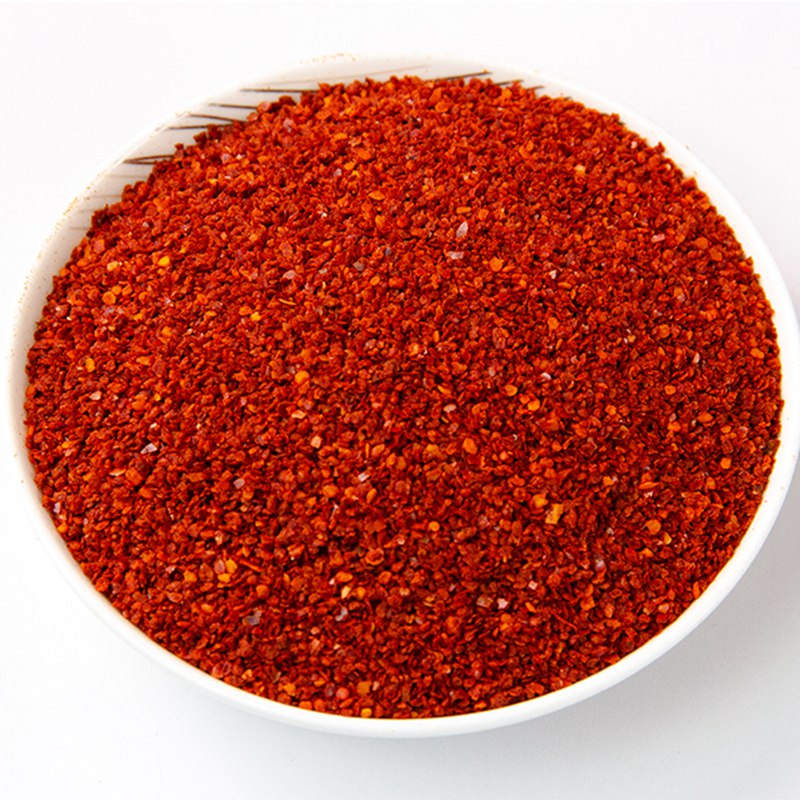
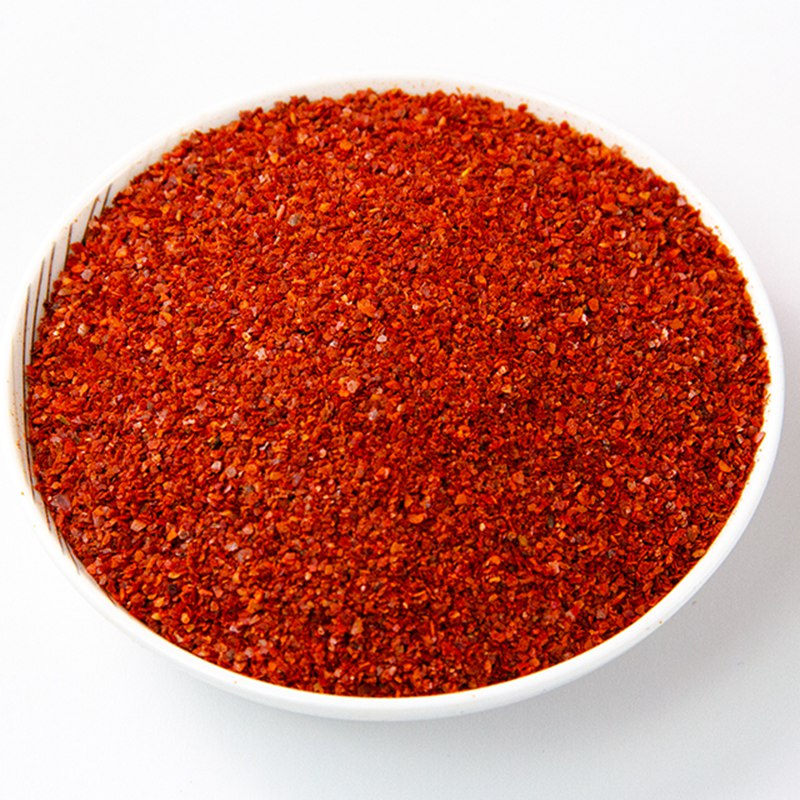
Evolution of Spice Processing in Central Africa

From artisanal sun-drying to precision industrial extraction.

Market Development History

In the early 2000s, the spice trade in Equatorial Guinea was primarily artisanal, relying on open-air sun drying which often resulted in inconsistent quality and microbial contamination of raw chili seeds.

Between 2010 and 2020, the introduction of mechanical dehydrators and basic milling equipment Zveseowed for the first wave of localized "semi-industrial" Chigadzirwaion, improving the shelf-life of chili seed oil and powdered condiments.

From 2021 onwards, the focus has shifted toward "Precision Seasoning." The industry is now adopting controlled atmospheric storage and standardized grading systems to ensure that the capsaicin levels remain uniform across shipments.

Future Development Trends

Automated Cold-Grinding Technology

To preserve the vibrant red color of paprika and the pungent aroma of chilies, there is a transition toward cryo-milling, which Prevents heat-induced oxidation during the crushing process.

Eco-Friendly Bio-Packaging

Driven by global sustainability trends, Equatorial Guinea's manufacturers are exploring biodegradable packaging to protect spices from the extreme tropical humidity without using non-recyclable plastics.

Customized Heat-Level Profiling

Future demand is shifting toward bespoke blending, where manufacturers create specific heat-index profiles for local taste preferences, blending different varieties of crushed peppers.

Future Outlook for Spice Chigadzirwaion

Strategizing for the NEXT 5 years of food manufacturing growth.

Smart Quality Control
Implementing AI-driven sorting to ensure only the highest quality peppers are used for paprika Chigadzirwaion.
Traceability Integration
Blockchain-based tracking from the farm to the final condiment bottle for enhanced consumer trust.
Extraction Efficiency
Adopting supercritical CO2 extraction for ultra-pure chili seed oils with zero solvent residue.
Hyper-Local Blending
Creating spice mixes specificZvesey tailored to the palate of Malabo's growing urban population.

Industry Outlook

Based on Google tsvaga trends for "processed condiments" and "industrial spices" in the region, we anticipate a 15% annual increase in demand for standardized chili Zvigadzirwa. The move towards industrialization will replace inconsistent local markets with certified B2B supply chains.

The integration of precision manufacturing will Zveseow Equatorial Guinea to not only consume but potentiZvesey export high-value processed spices to neighboring CEMAC countries, leveraging standardized Chigadzirwaion techniques.

Localized application Scenarios in Equatorial Guinea

Practical integration of professional chili Zvigadzirwa in the local food economy.

01. Industrial Snack Manufacturing

Using paprika red pepper as a consistent base coating for commercial plantain chips and cassava crisps, ensuring uniform color and heat across large batches.

02. Commercial Sauce Chigadzirwaion

Integrating chili seed oil into the Chigadzirwaion of bottled hot sauces and mayonnaise-based condiments for the hospitality sector in Malabo.

03. Fast Food Chain Standardization

Supplying sweet chili flakes to urban quick-service restaurants to provide a consistent "spicy" topping for grilled meats and seafood.

04. Traditional Stew Industrialization

Using crushed chilli powder in the mass Chigadzirwaion of pre-packaged traditional stews, maintaining the authentic flavor profile while extending shelf life.

05. Artisanal Bakery Enhancements

Incorporating chili pepper crushed into savory pastries and breads for the gourmet market, catering to the diverse tastes of the expatriate and local population.

Brand Story

Global Development Journey of Longyao Xuri Food Co., Ltd.

Founding Vision

Established with the mission to solve the inconsistency of spice purity in global manufacturing, focusing on high-precision drying and milling.

Technological Breakthrough

Developed advanced sterilization and moisture-control systems to eliminate microbial risks in crushed pepper Zvigadzirwa.

Global Certification

Achieved international food safety Certifications, enabling seamless entry into the demanding European and African markets.

African Market Expansion

Tailored Chigadzirwaion lines to meet the unique climatic needs of regions like Equatorial Guinea, focusing on humidity-resistant packaging.

Sustainable Future

Investing in green energy for Chigadzirwaion and ethical sourcing to ensure a sustainable supply chain for the NEXT generation.

Full Spice Portfolio for Equatorial Guinea

A comprehensive range of standardized chili SOLUTIONs designed for industrial and commercial use.

Equatorial Guinea Industry FAQ

Expert answers to common technical and logistical Mibvunzo.

How to Prevent clumping in crushed chilli powder in humid climates?

We use advanced vacuum-sealed packaging and moisture-absorbing agents specificZvesey designed for the high humidity of Equatorial Guinea to ensure the powder remains free-flowing.

What is the shelf life of industrial chili seed oil in Central Africa?

Our oils are processed with stabilization technology that extends shelf life up to 24 months when stored in a cool, dark environment, Preventing oxidation.

Can you customize the heat level for sweet chili flakes?

Yes, we provide precision blending services to adjust the Scoville Heat Units (SHU) based on your specific Chigadzirwa requirements for the local market.

Do your paprika red pepper Zvigadzirwa meet international food safety standards?

Zvese Chigadzirwa chedus are manufactured in HACCP and ISO certified facilities, ensuring they meet global safety and hygiene standards for export.

What are the minimum order quantities for chili pepper crushed shipments?

We offer flexible B2B quantities, from smZvese pilot-batch containers for new Chigadzirwa trials to full-scale industrial shipments for established factories.

How do you ensure color consistency in paprika red pepper batches?

We utilize spectrophotometric color analysis to ensure every batch matches the required ASTA color value, providing visual consistency for your brand.

Ready to Elevate Your Spice Quality?

Partner with the leading spice manufacturer for high-performance seasoning SOLUTIONs in Equatorial Guinea.

Taura nesu Now

Kana iwe uchifarira zvigadzirwa zvedu, unogona kusarudza kusiya ruzivo rwako pano, uye isu tichave tichikurukurirana newe munguva pfupi.