Premium chili seed oil SOLUTIONs for Thailand’s Food Industry

Premium chili seed oil SOLUTIONs for Thailand’s Food Industry

Premium chili seed oil SOLUTIONs for Thailand’s Food Industry

Lorem ipsum dolor sit amet, consectetur adipisicing elit,

Premium chili seed oil SOLUTIONs for Thailand's Food Industry

Elevating Thai culinary traditions with industrial-grade spice precision and sustainable manufacturing standards.

Premium chili seed oil SOLUTIONs for Thailand's Food Industry

Integrating advanced fermentation and extraction technology to deliver high-pungency, color-stable seasonings tailored for the Southeast Asian palate.

The Current Landscape of Condiment Manufacturing in Thailand

Analyzing the intersection of tropical agriculture and industrial spice processing.

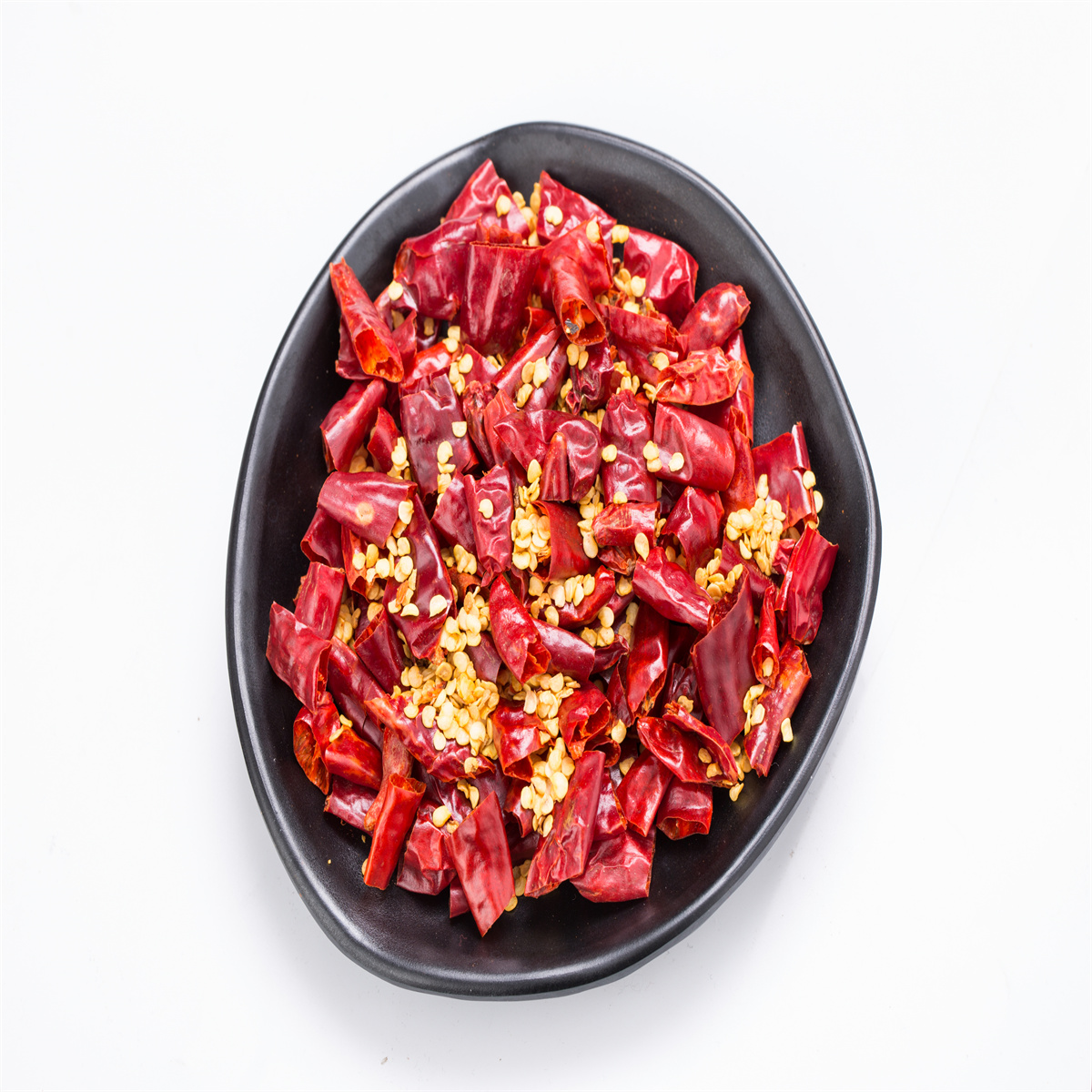
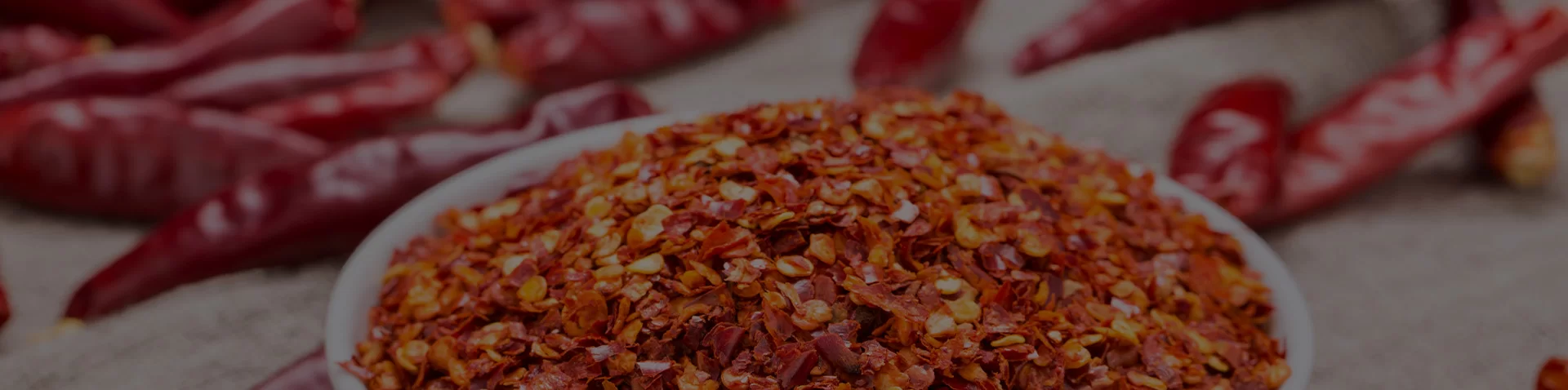
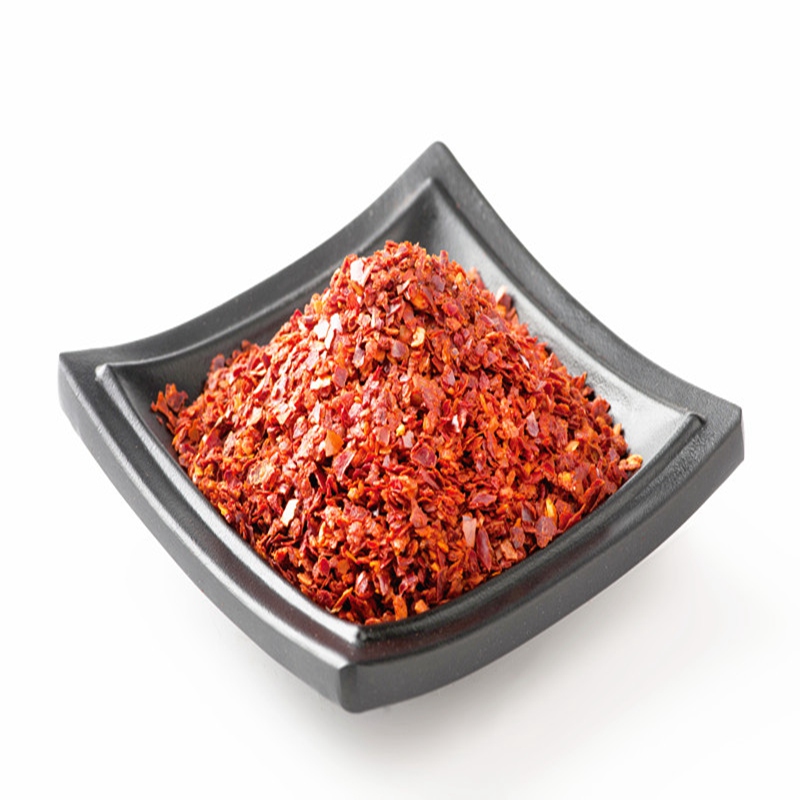
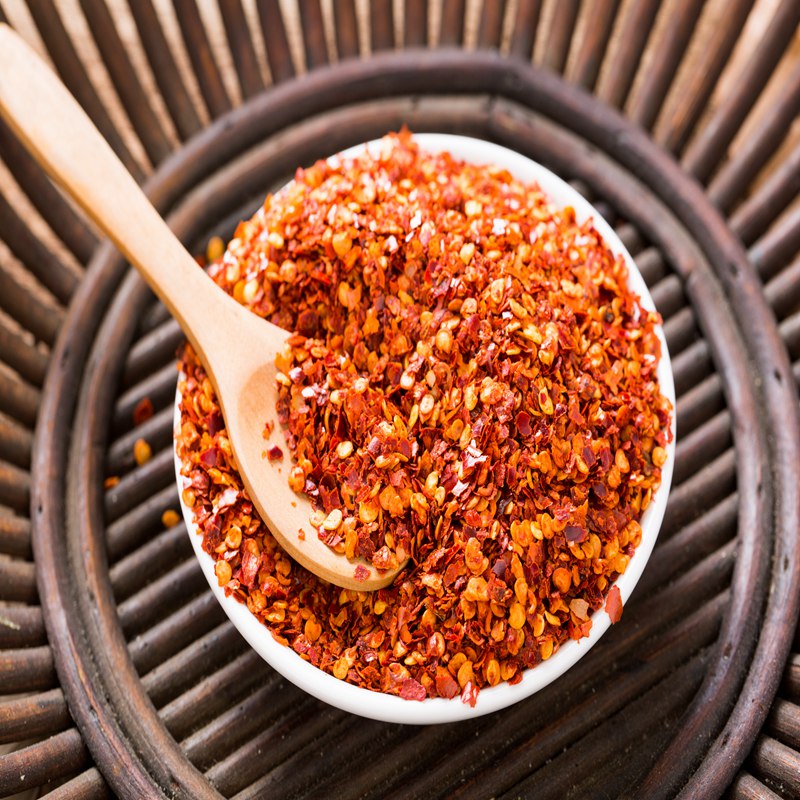
Thailand's food manufacturing sector is characterized by a high demand for pungent and aromatic profiles. The local market relies heavily on high-quality sweet chili flakes to maintain the authentic heat and sweetness required for iconic Thai sauces, while facing chZveseenges with humidity-induced degradation in storage.

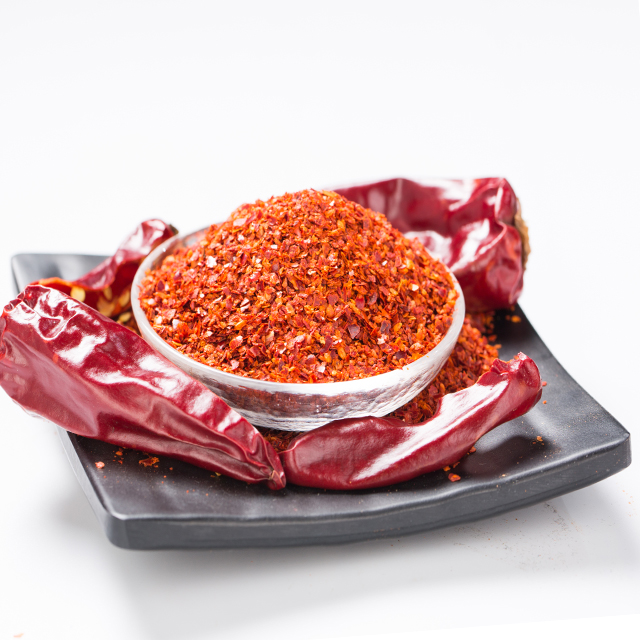
The industrial shift toward standardized crushed chilli powder indicates a move away from artisanal grinding toward automated, temperature-controlled milling. This ensures that volatile oils are preserved, Preventing the loss of the characteristic "sharpness" in commercial-scale Chigadzirwaion.

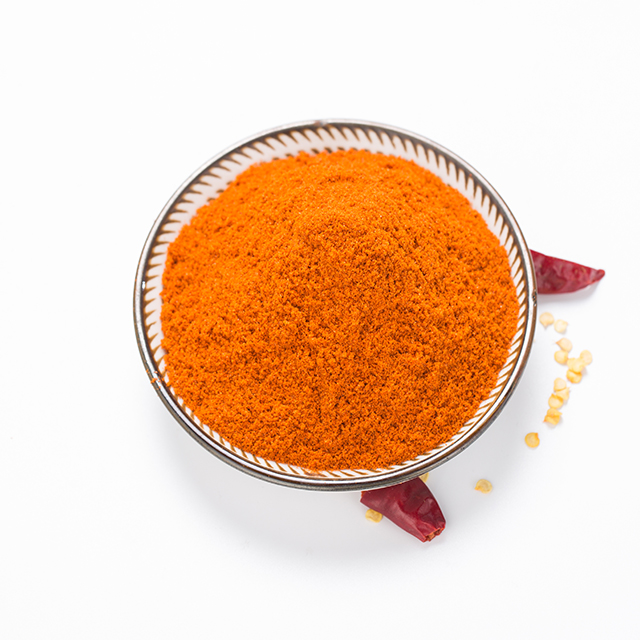
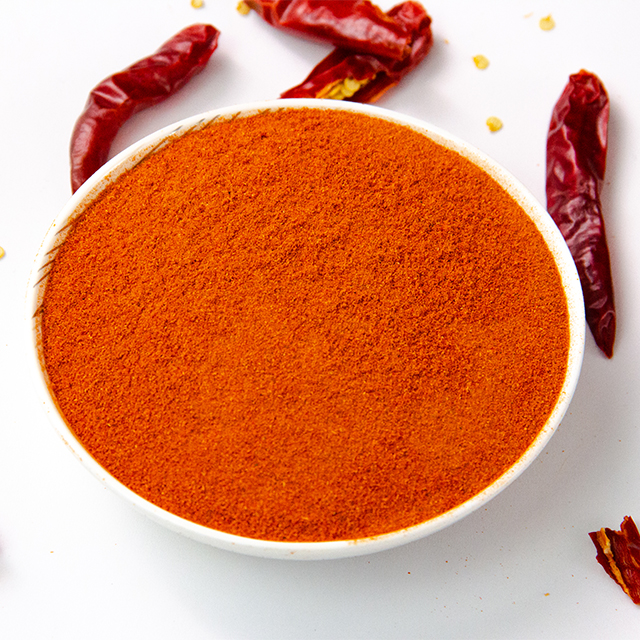
Furthermore, the rise of processed convenience foods in Bangkok and Chonburi has surged the demand for stable paprika red pepper extracts to achieve consistent visual appeal without altering the flavor profile of the traditional Thai heat.
Evolution and Trajectory of Thai Spice Processing

From traditional sun-drying to precision molecular extraction.

Market Development History

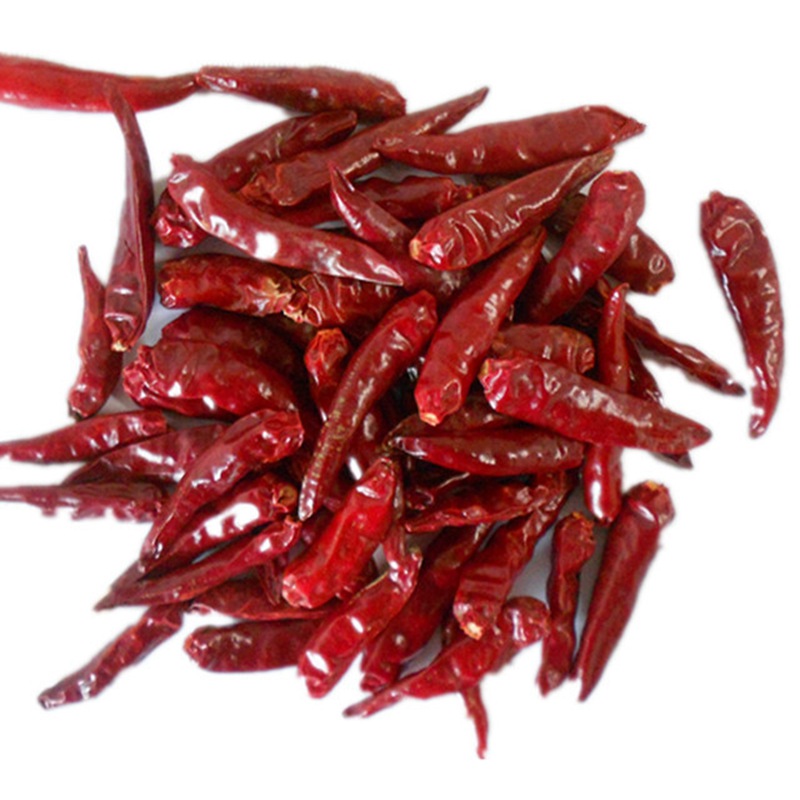
Prior to 2010, the industry was dominated by open-air drying and manual crushing, which often led to aflatoxin contamination and inconsistent heat levels in chili pepper crushed Zvigadzirwa.

Between 2011 and 2020, the introduction of Industrial Microwave Drying (IMD) and Cold Press extraction revolutionized the Chigadzirwaion of oils. This period saw the professionalization of chili seed oil, transitioning from Imba-made infusions to standardized industrial lipids.

From 2021 to the present, the focus has shifted toward "Clean Label" manufacturing, where chemical solvents are replaced by supercritical CO2 extraction to meet strict EU and US export standards for Thai condiments.

Future Development Trends

Precision Heat Customization

Utilizing HPLC analysis to standardize Capsaicin levels in every batch of crushed chilli powder, ensuring brand consistency across global franchises.

Sustainable Sourcing & Traceability

Implementing blockchain from the farm to the factory to certify the origin of raw capsicum, reducing carbon footprints in the supply chain.

Functional Seasoning Integration

Developing spice blends that incorporate natural preservatives to extend the shelf-life of liquid condiments without synthetic additives.

Industry Trends and Strategic Outlook

Navigating the future of the global and local condiment market.

Automation in Grinding
Transitioning to AI-driven milling to optimize the particle size of chili pepper crushed for better disSOLUTION.
Color Stabilization
Advanced vacuum-sealing techniques to Prevent the oxidation of paprika red pepper during shipping.
Eco-Friendly Packaging
Adopting biodegradable films for smZvese-batch sweet chili flakes to meet Thai "Green Economy" goals.
Nutraceutical Blending
Integrating antioxidants into oil-based seasonings for a health-conscious consumer base.

Industry Outlook

Based on Google tsvaga trends in the APAC region, there is a growing interest in "low-sodium" and "organic-certified" spice Zvigadzirwa. Thai manufacturers are expected to shift toward organic raw material procurement to maintain competitiveness in the global export market.

We anticipate a 15% growth in the demand for standardized, industrial-scale chili oils as the "Ready-to-Eat" (RTE) meal sector expands across Thailand's urban CENTREs.

Localized applications in Thailand

Practical implementation of premium spice components in Thai culinary industry.

01. Industrial Nam Prik Chigadzirwaion

Utilizing high-grade crushed chilli powder to ensure a consistent heat baseline for mass-produced chili pastes exported worldwide.

02. Street Food Franchise Standardization

Implementing pre-measured sweet chili flakes in condiment dispensers to maintain flavor uniformity across multiple Bangkok outlets.

03. Gourmet Seafood Glazes

Infusing chili seed oil into premium shrimp and crab glazes to provide a glossy finish and deep aromatic heat.

04. Snack Food Coating

Applying micronized paprika red pepper to puffed snacks for an intense red color and mild sweetness without clumping.

05. Traditional Som Tum Kits

Integrating dried chili pepper crushed into dehydrated meal kits for overseas Thai diaspora, ensuring authenticity in a shelf-stable format.

Brand Story

Global Development Journey of Longyao Xuri Food Co., Ltd.

Foundational Precision

Established with a mission to solve the inconsistency of raw spice quality through rigorous selection and scientific processing.

Technological Breakthrough

Investing in advanced dehydration technology to eliminate moisture-related contamination in bulk spice Chigadzirwaion.

Global Expansion

Expanding into the Southeast Asian market, specificZvesey Thailand, to provide industrial SOLUTIONs for the world's most demanding spice lovers.

Certification Excellence

Achieving international food safety Certifications to ensure every shipment meets global health and quality standards.

Future-Ready Innovation

Continuously refining the extraction process to create the NEXT generation of high-purity, natural spice extracts.

Complete Spice Portfolio for the Thai Market

A comprehensive range of industrial condiments engineered for versatility and potency.

Thai Market Industry FAQ

Expert answers to technical Mibvunzo regarding spice manufacturing and sourcing.

How do you ensure the stability of sweet chili flakes in humid Thai climates?

We use advanced vacuum-drying and moisture-barrier packaging to ensure that Chigadzirwa chedus maintain their texture and potency despite high ambient humidity.

What is the shelf-life of industrial chili seed oil when stored at room temperature?

With our stabilization process and antioxidant-rich extraction, our oil remains stable for 12-24 months if kept in an airtight, cool, and dark environment.

Can crushed chilli powder be customized for specific Scoville heat units?

Yes, we offer precision blending where different varieties of capsicum are mixed to reach your exact target heat level and color profile.

Is your paprika red pepper free from artificial dyes for export markets?

AbsoluTely. Our paprika is 100% natural, derived from high-quality peppers, ensuring compliance with FDA and EU food color regulations.

What Certifications do you provide for chili pepper crushed bulk orders?

We provide comprehensive COA (Chitupa of Analysis), ISO, and HACCP Certifications to guarantee safety and quality for every batch.

Do you offer sample kits for Thai condiment manufacturers?

Yes, we provide customized sample kits including various mesh sizes and heat levels to help you find the perfect fit for your recipe.

Partner With the Spice Experts

Ready to optimize yChigadzirwa cheduion line in Thailand? Our technical team is here to provide industrial-grade spice SOLUTIONs.

Taura nesu Now

Kana iwe uchifarira zvigadzirwa zvedu, unogona kusarudza kusiya ruzivo rwako pano, uye isu tichave tichikurukurirana newe munguva pfupi.